We have a new diagnostic tool at AVH called an endoscope, which allows us to perform an endoscopy.
An endoscopy is a minimally invasive procedure done under general anesthesia. Your veterinarian uses a long, thin tube (flexible or rigid) with a tiny camera and light at the tip to look inside your pet’s body. Depending on your pet’s size and the area we need to see, the scope can go in through the mouth, nose, ears, or rectum. The camera sends a live video feed, so we can see what’s happening inside in real time without surgery.
With the endoscope we can find inflammation, foreign objects, ulcers, tumors, and other abnormalities, and we can see them much more clearly than we could before. We can also take biopsies and remove foreign material from the stomach, ears, or nose.
If your pet has chronic symptoms that an exam and routine diagnostics (blood work, X-rays, ultrasound) haven’t explained, an endoscopy might be needed as a next step toward a diagnosis.
Bacio’s Endoscopy Story
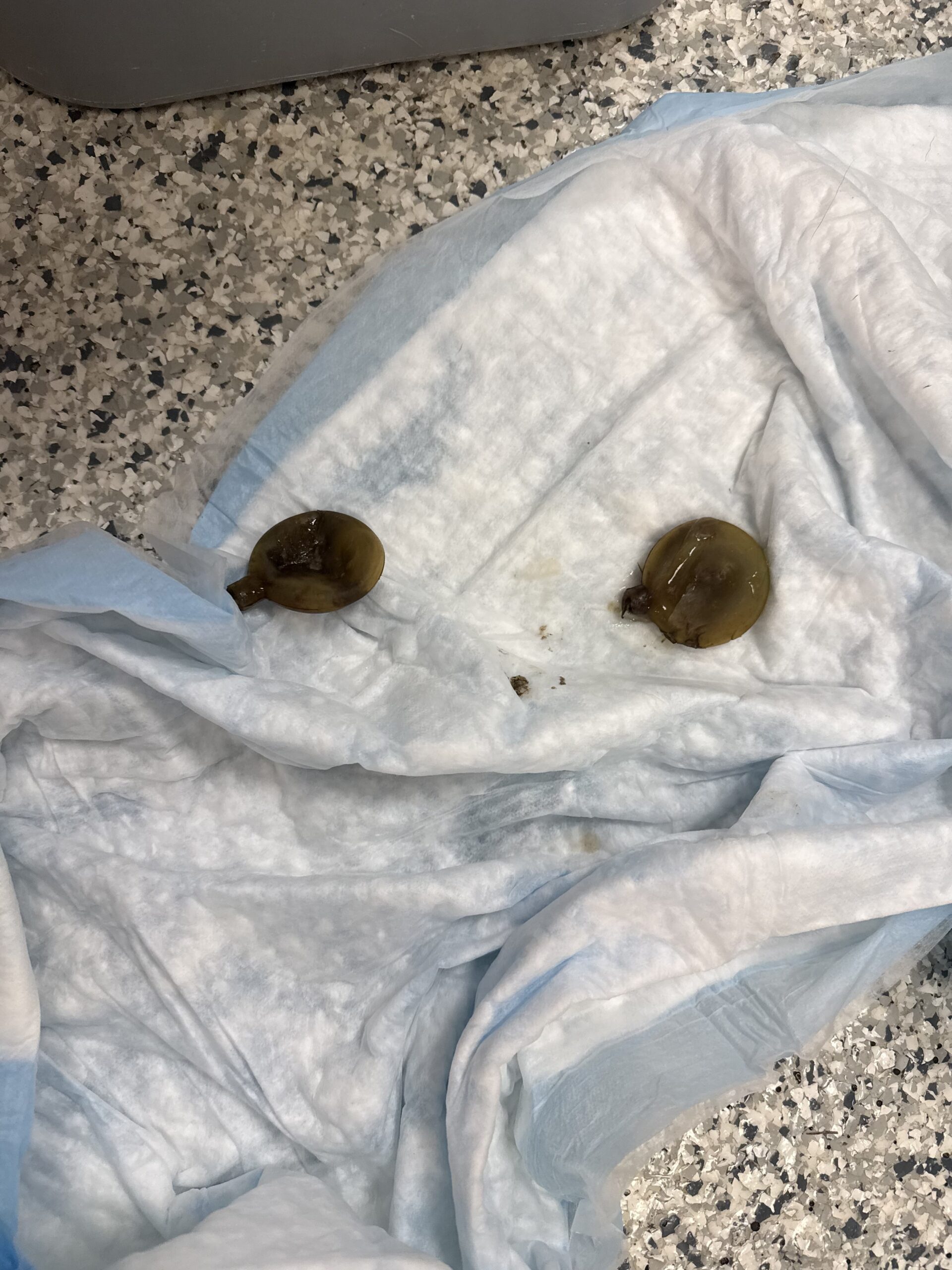
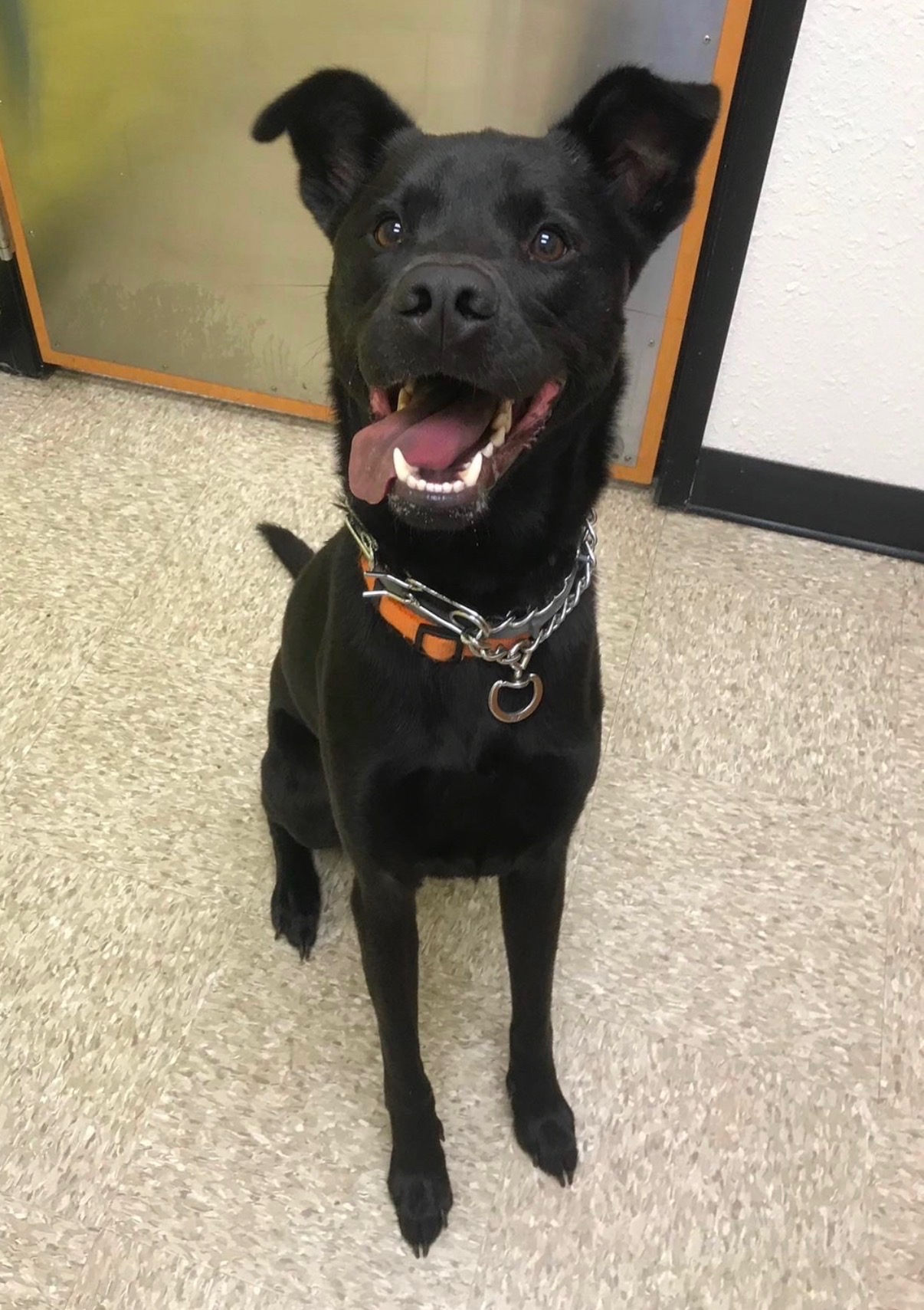
Bacio’s X-rays didn’t give us a clear answer, but we knew he had recently started eating squeaky toys. Instead of exploratory surgery, we used the endoscope to confirm there was foreign material in his stomach and remove it. We could also look at his esophagus and stomach for any underlying problems, which surgery alone can’t show us.
Bacio recovered easily. He had no surgical restrictions and was back to normal activity the next day. No incision, no risk of infection from cutting into the abdomen or stomach, and no cone of shame. His owner says he’s like a puppy again, which tells us those squeaks may have been in there longer than anyone suspected. Foreign material can sit in the stomach for months or even years without obvious signs at home.
AVH is proud to offer this as a tool where in certain cases, it helps us avoid invasive surgery. We have an option that improves recovery and healing for pets, and peace of mind for pet parents!